
Research progress on the differentiation of pluripotent stem cells into myeloid stem cells
The in vitro differentiation of pluripotent stem cells into myeloid cells has become a hot topic in regenerative medicine and hematology research.
Myeloid cells include erythrocytes, granulocytes, monocytes/macrophages, and dendritic cells, which have functions such as oxygen transport, immune defense, and inflammation regulation. Compared with traditional hematopoietic stem cells, pluripotent stem cells have a wide range of sources and strong expansion potential, providing new avenues for disease modeling, cell therapy, and immunotherapy. The hematopoietic system is an important system for maintaining the body's life activities.
Myeloid cells, including erythrocytes, granulocytes, monocytes/macrophages, and dendritic cells, participate in oxygen transport, innate immunity, and inflammation regulation, respectively. Traditionally sourced hematopoietic stem cells suffer from limited donors and difficulty in expansion, making it difficult to meet clinical application needs. With the development of human embryonic stem cell and induced pluripotent stem cell technologies, researchers can simulate the embryonic hematopoietic development process in vitro to obtain functional myeloid cells. This not only promotes developmental biology research but also provides new possibilities for cell therapy, immunotherapy, and disease modeling. In embryonic development, hematopoiesis is divided into two stages: primitive hematopoiesis and deterministic hematopoiesis. Primitive hematopoiesis mainly occurs in the yolk sac, producing early erythrocytes and macrophages, which undertake basic oxygen transport and tissue repair functions.
Subsequently, deterministic hematopoiesis occurs in the aorta-gonadal-mesonephric region and fetal liver, producing hematopoietic stem cells with multi-lineage potential, which further differentiate into myeloid and lymphoid cells.
In vitro differentiation systems are based on this process, gradually obtaining myeloid cells through mesodermal induction, vascular endothelial formation, and the transformation of hematopoietic endothelium into blood cells.
Myeloid differentiation depends on the synergistic action of multiple signaling pathways: the BMP4/Activin/Nodal pathway promotes mesodermal formation; VEGF promotes the formation of vascular endothelium and hematopoietic precursors; and the Notch and Wnt pathways maintain the potential of hematopoietic endothelium. Simultaneously, lineage-specific transcription factors are crucial for myeloid orientation: GATA1 promotes erythroid differentiation; PU.1 and CEBPA control the formation of the granulocyte-monocyte lineage; and IRF8 and BATF3 regulate dendritic cell function. Precise control of the aforementioned signaling and transcriptional regulatory networks is key to improving differentiation efficiency and cell functional maturity.
Currently, strategies for differentiating pluripotent stem cells into myeloid cells mainly include the following:
Embryonic induction: Embryonic cells are formed under suspension conditions, followed by the addition of exogenous cytokines. This yields erythroid, granulocytic, monocyte/macrophage, and dendritic cells. This method mimics embryonic development, but purity and maturity are limited.
Monolithic induction system: Pluripotent stem cells are cultured on a matrix gel or synthetic matrix, with factors added in stages. This method offers high reproducibility.
Stromal cell co-culture: Utilizing stromal cells such as OP9 to simulate the hematopoietic microenvironment, it can simultaneously induce myeloid and lymphoid cells. However, its cross-species nature limits its clinical application.
Transcription factor reprogramming: Overexpression of lineage-specific factors such as GATA1, PU.1, CEBPA, and IRF8 can efficiently obtain target myeloid cells. However, further optimization of cell maturity and safety remains a challenge.
Myeloid cells derived from pluripotent stem cells have shown potential applications in several fields:
Red blood cell replacement: Used for blood transfusion therapy, especially suitable for patients with rare blood types, but issues regarding adult hemoglobin production and enucleation efficiency still need to be addressed.
Macrophage therapy: Applicable to tumor immunity, inflammation regulation, and gene repair in hereditary diseases.
Dendritic cell vaccines: Can induce specific immune responses and can be used in cancer immunotherapy.
Granulocyte transfusion: Provides immune support for patients with neutropenia or infections. Disease modeling and drug screening: Using myeloid cells derived from patient iPSCs, characteristics of hematologic diseases can be reproduced.
Currently, there are still several problems in myeloid differentiation research:
the differentiated cells are not mature enough and differ from natural cells;
large-scale production and purification are difficult;
there are potential risks to the genetic and epigenetic stability of pluripotent stem cell-derived cells;
and the microenvironment simulation is limited, making it difficult to completely reproduce the bone marrow and vascular environment.
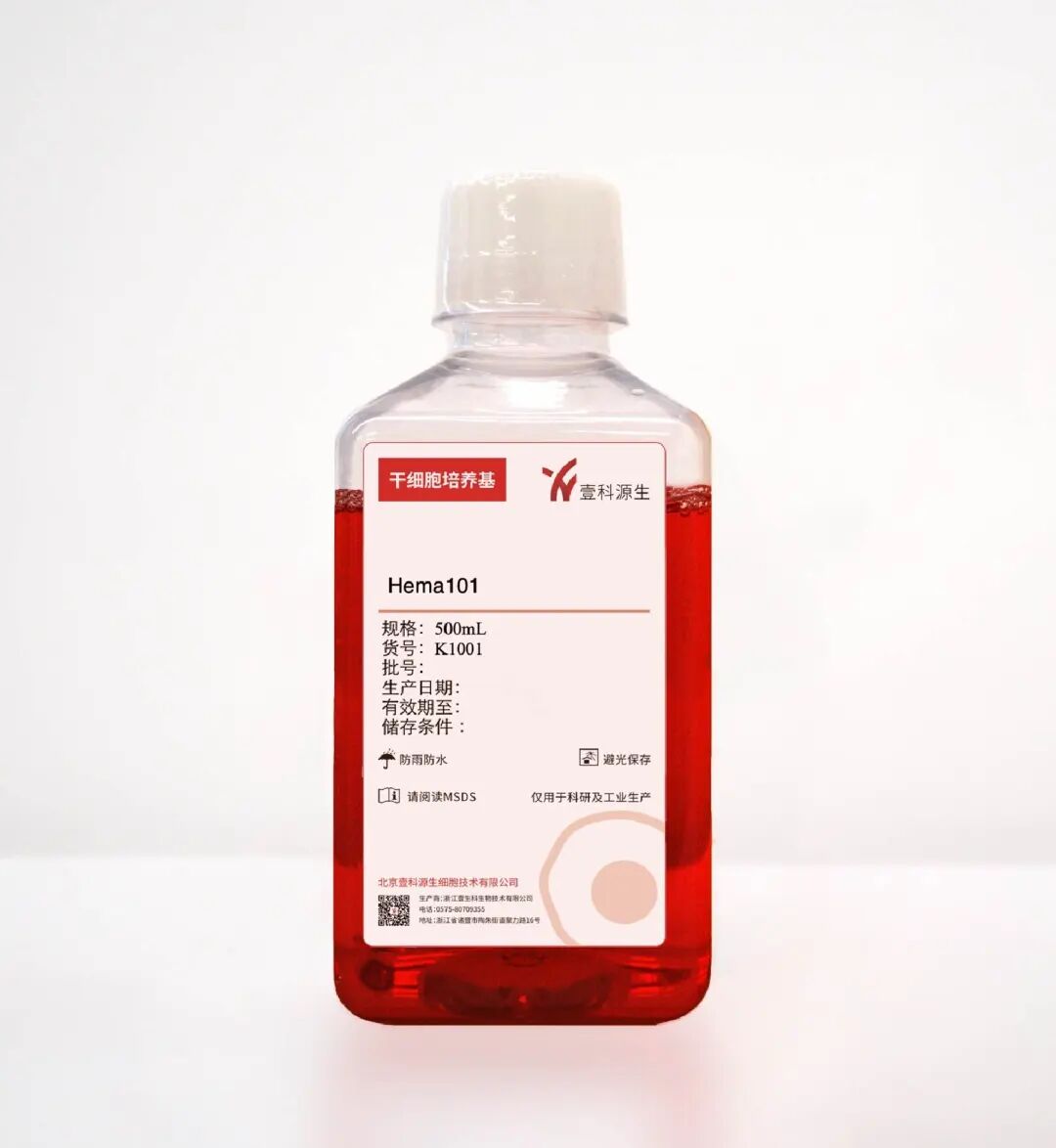
New technology: Hema101, efficiently obtains hematopoietic stem/progenitor cells from pluripotent stem cells (ES/iPSC)!


 +86 (0575) 8070 9355
 +86 (0575) 8070 9355
 marketing@yskbio.com
 No. 16, Juli Road, Zhuji City, Zhejiang Province